.jpg)
.jpg)
.jpg)


Renovating is a significant project, and a well-executed renovation can last at least ten years. As the most vibrant area in the home, planning your kitchen renovation becomes crucial. Therefore, reasonable planning before starting the renovation is essential. To avoid designs that may hinder your cooking experience later on, pay attention to the following points to ensure you are well-prepared.
Budgeting
Establishing a reasonable budget is an indispensable part of your renovation plan. A small misstep can lead to significant costs for renovation and furnishings, potentially affecting progress or quality due to insufficient funds. The budget should cover all renovation items, including:
- Kitchen fixtures:such as cabinet combinations, countertops, storage solutions, wall tiles, and flooring.
- Appliances and cooking tools:such as cookers, range hoods, ovens, dishwashers, and refrigerators.
- Labor costs:including fees for designers, masons, electricians, and other professionals.
- Unexpected expenses:it's advisable to reserve 10%-20% of your budget for contingency funds for any additional costs that may arise during construction.
Design Style
Before starting the renovation, it's important to determine your kitchen design style. This not only affects the kitchen's aesthetic but also its functionality. Common design styles include:
-
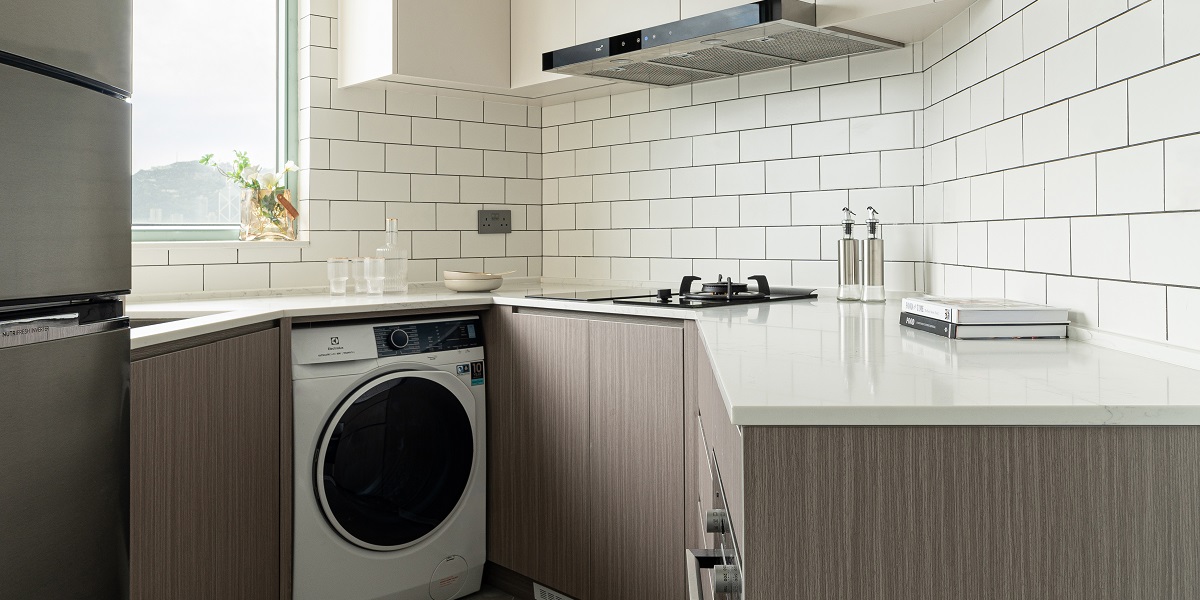
Modern Style:Emphasizes minimalism and functionality, typically featuring black and white
(Modern design reference – Yu Nga Court)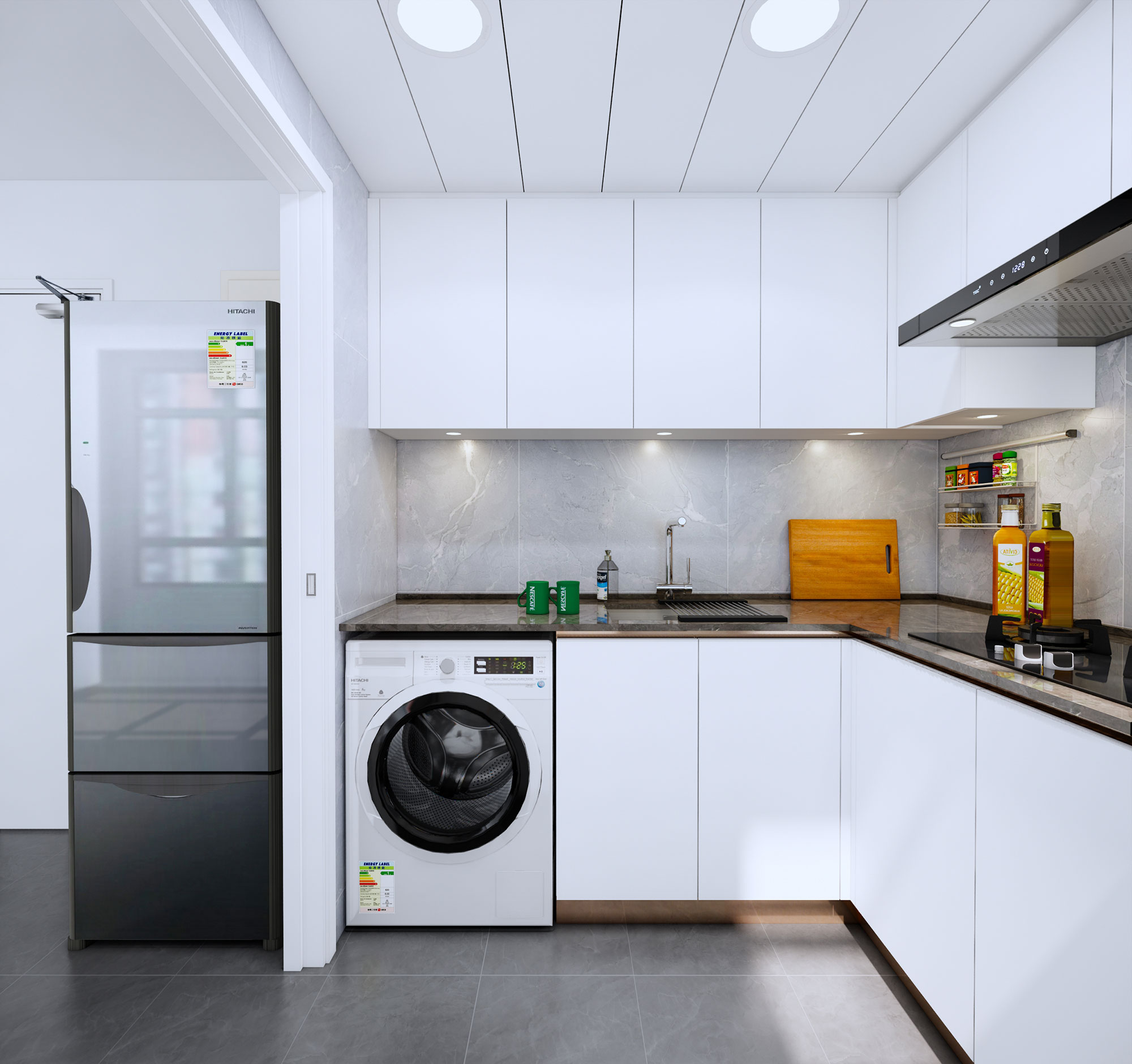
-
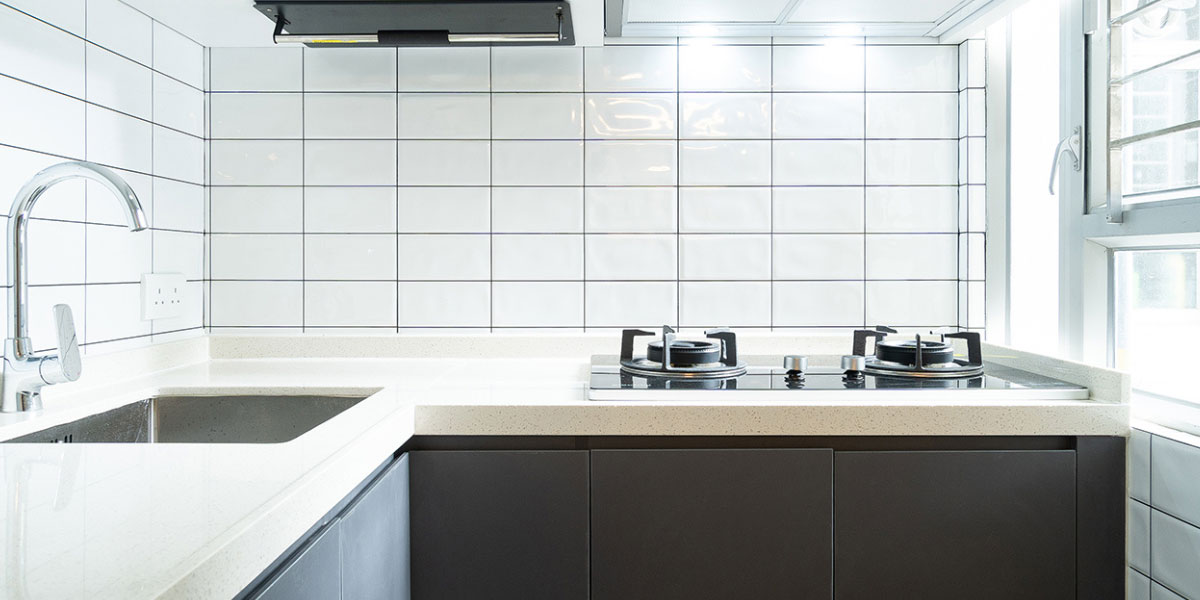
Japanese Style:Utilizes warm tones and wood to create a harmonious and warm atmosphere.
(Japanese design reference – Kai Chuen Court)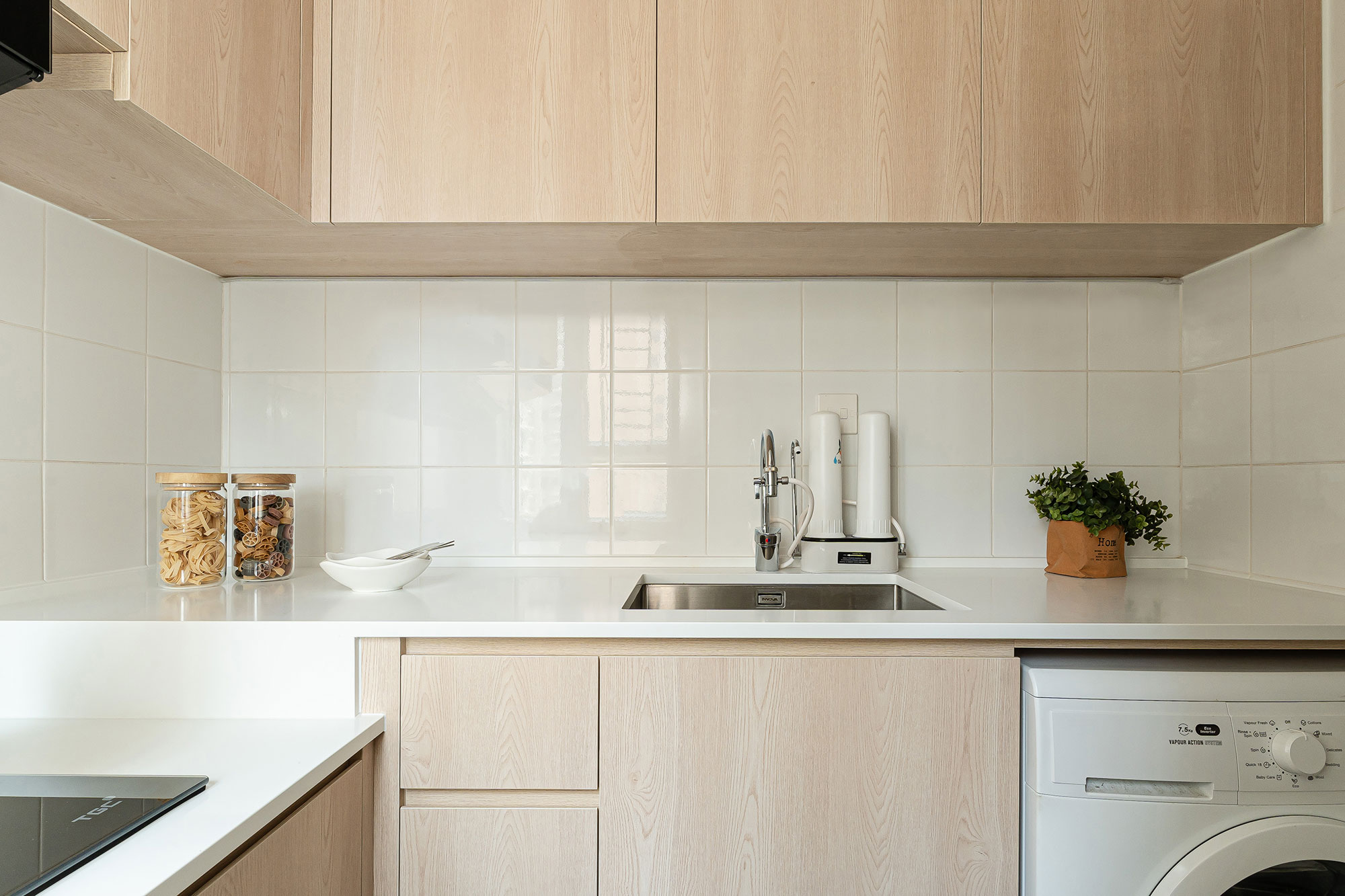
-
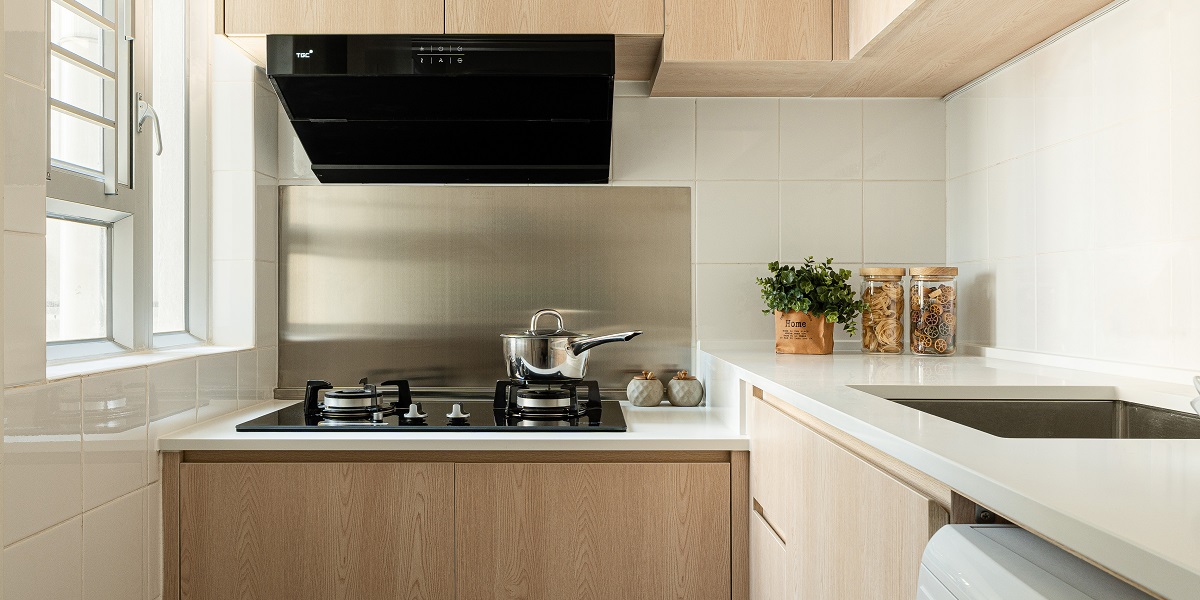
Industrial Style:Often features brick walls paired with industrial-style furniture for a unique character.
(Industrial design reference – Whampoa Garden)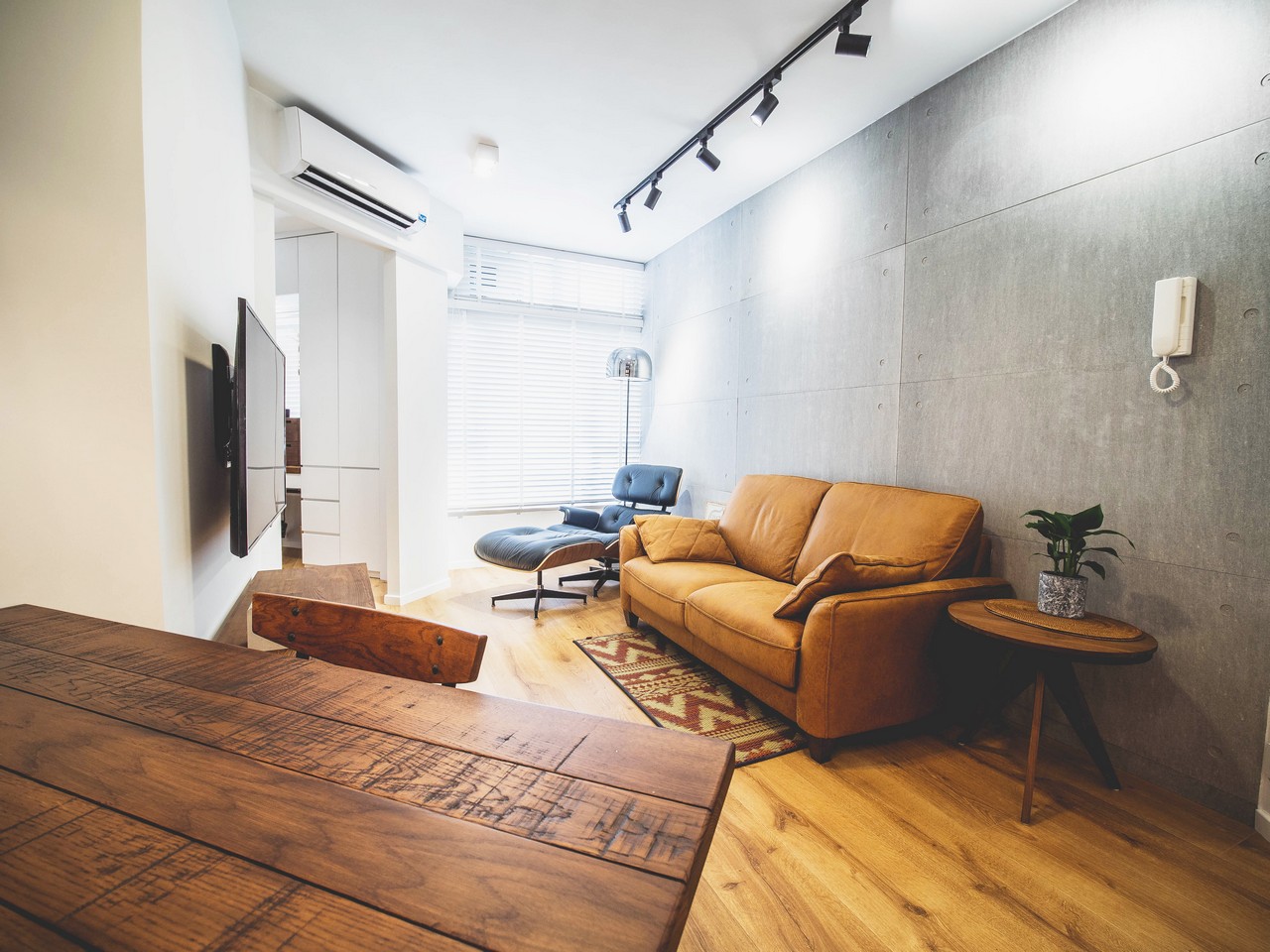
To better understand your desired design style, consider reviewing more design cases to gather kitchen design inspiration. Once the style is confirmed, it becomes easier to choose materials and accessories, thus creating a cohesive overall effect.
Workflow Planning
For long-term smooth usage of the kitchen, planning the kitchen workflow is vital. In addition to considering the positions of the kitchen work triangle (refrigerator, washing ingredients, cooking), you can also choose the kitchen layout (straight, island, L-shaped, or U-shaped). Additionally, pay attention to the placement of appliances to ensure you reserve electrical outlets accordingly.
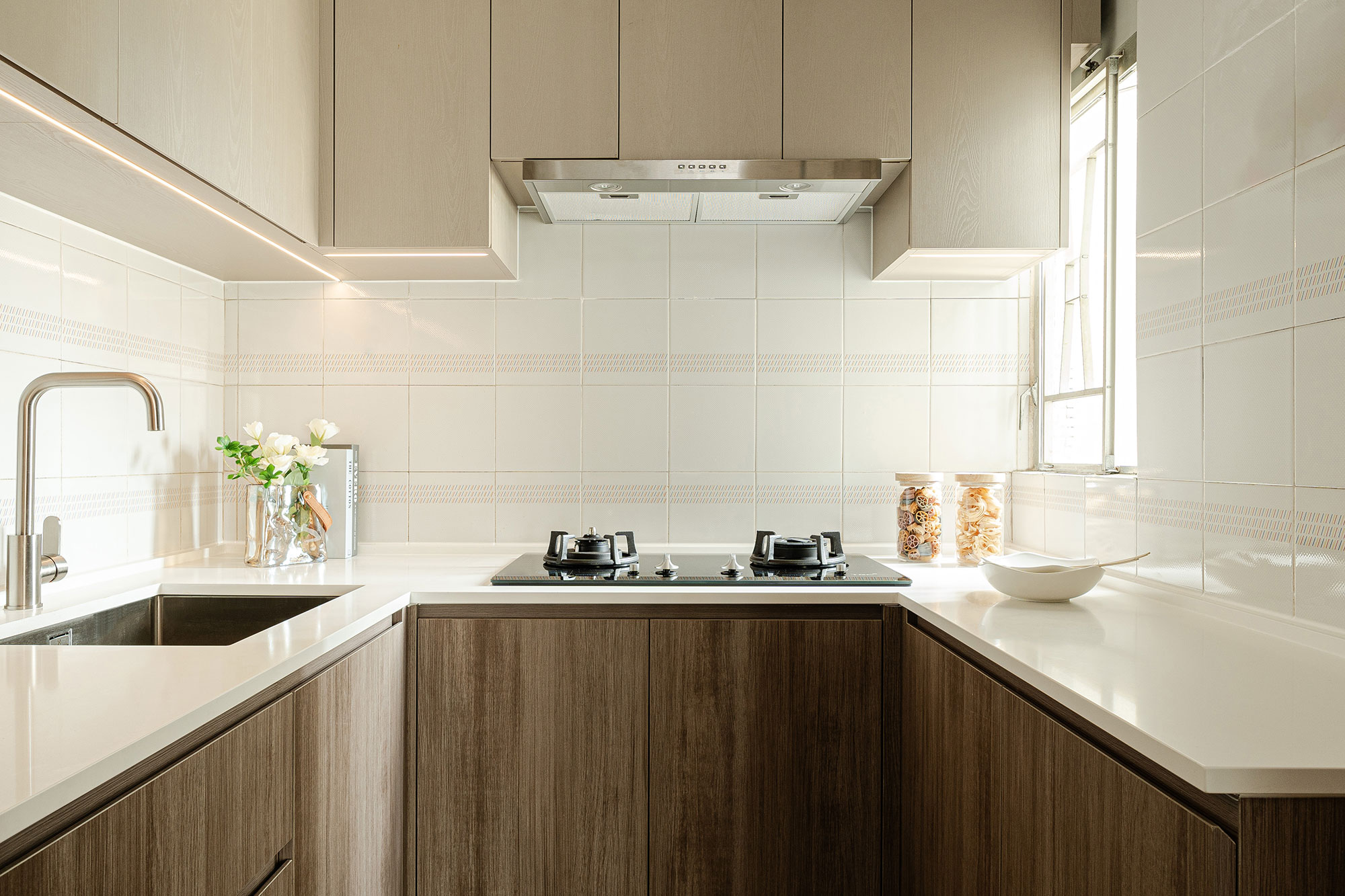
You can plan a kitchen that suits your space configuration and personal needs, creating your ideal cooking area.
Cooking Appliances
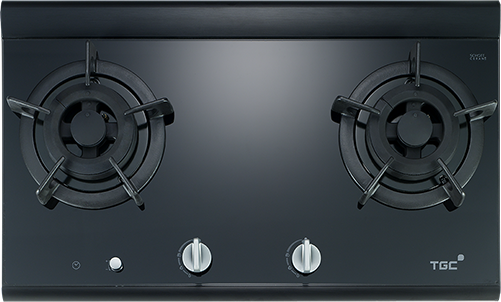
Proper planning can enhance the efficiency and comfort of your kitchen, so it's advisable to consider the types of cooking appliances and devices you will use before starting the renovation. This enables better spatial planning. For example, if you decide to use a gas appliance, inform the renovation company beforehand to arrange the gas pipeline's position correctly, avoiding future obstruction of other cabinets and appliances. Moreover, if you choose embedded appliances, make sure to reserve enough space in the cabinet design.
Permit Applications Before Renovation
Before proceeding with kitchen renovations, it's crucial to understand whether your residence requires any permit applications. For instance, some housing estates and public housing may require renovation applications to be submitted to the management office and approved before work begins. Additionally, modifications to plumbing, electrical, or gas lines may also require inspections and prior permit applications by professionals. This not only ensures safety and compliance in renovations but also helps avoid future issues, such as leaks or electrical faults. Therefore, it's recommended to communicate thoroughly with professionals or management institutions in the early stages of your renovation plan to understand all necessary procedures and requirements.
Towngas offers TGC kitchen cabinet design and installation services, backed by years of rich renovation experience. They combine each client's needs and preferences with high-quality materials and hardware, complemented by seamless stone countertops and custom gas appliances, allowing users to enjoy a one-stop home living experience.
.png)